

Live casino play lies at the heart of what makes online gaming genuinely exciting. We’ve seen this segment grow from a niche curiosity into the leading way serious players engage with classic table games, casino bets24 app for android, and the reasons are entirely practical. Instead of relying on a random number generator to generate a result, a live dealer game transmits a real human professional dealing real cards or spinning a real wheel directly to your screen. This combination of physical action and digital convenience removes the psychological barrier of playing against a machine. The key fact to appreciate from the outset is that this is not a video game approximation; it is a stream of a regulated, physically occurring event that you can influence through your decisions in real time.
The Innovation Powering Live Streams
The experience of participating in a live blackjack or roulette table relies on a advanced tech stack that most players never see. Understanding it enhances your understanding of the fairness involved. At the hardware level, a specialized studio houses the tables, which are observed by multiple high-definition cameras recording angles that a traditional casino patron could only dream of seeing. These cameras connect to a powerful Optical Character Recognition (OCR) system. This software instantly translates the physical movements of a card being turned or a ball landing on a number into digital data, which then fills your screen’s graphical interface. Without OCR, there would be a disconnect between what you see and what the software registers.
The streaming backbone is built for ultra-low latency. That technical term just means the delay between the dealer’s action and your view of it is nearly imperceptible. We employ adaptive bitrate streaming, so the video quality automatically adjusts based on your internet speed to prevent buffering at critical moments, like when the betting window is about to close. This entire interface is overlaid with a Game Control Unit (GCU), a small but critical device attached to every table that transmits the video broadcast. The GCU is the heart of trust, coordinating data flow between the physical felt, the dealer, and the hundreds of players connected simultaneously without ever overloading the communication line.
The Purpose of the Game Control Unit
We often receive inquiries what separates a genuine live casino game from a clever animation, and the answer always focuses on the Game Control Unit. This piece of hardware is not just a camera switch; it’s the central nervous system of the table. Every card drawn from a sensor-equipped shoe goes through the GCU’s logic, which checks the sequence against the game rules. If a dealer makes an error, the system flags it instantly, often pausing the game state until a pit boss or automated protocol fixes the discrepancy. This technology functions as a silent, impartial referee that never blinks, ensuring the dealer’s human element is always supported by an unquestionable digital audit trail.
The ways Live Dealer Game Categories Are different
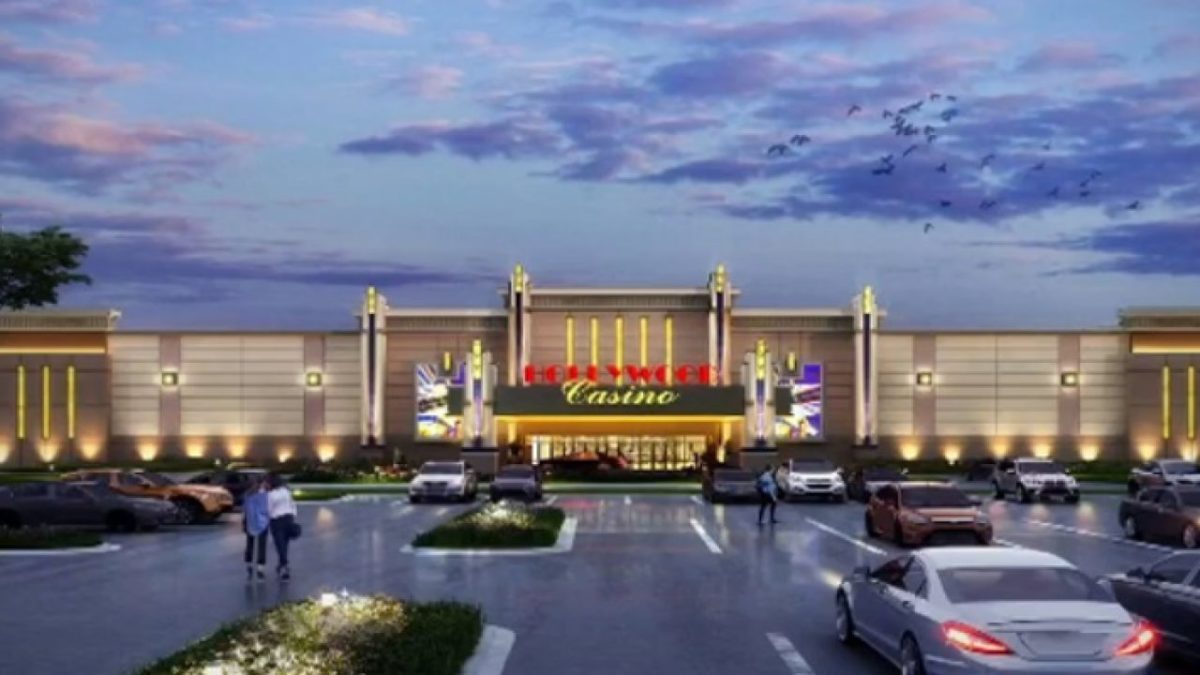
Walk into a physical casino and you see specific zones for numerous games. A structured live casino lobby does the same, but the digital format allows us to blur the lines between regular play and exclusive innovation. The traditional pillars stay roulette, blackjack, and baccarat, yet the live format has divided these into dozens of variants that serve greatly different bankroll sizes and pacing preferences. Players tend toward specific categories not just by the rules, but by the rhythm of the game. A hand of standard blackjack operates on a strict timer, while a game of Lightning Roulette adds a theatrical, game-show pause where multipliers are generated, shifting the emotional tempo of the spin beyond the simple physics of the wheel.
Roulette is the clearest example of this fragmentation. A classic European table goes with a single zero and a standard paytable, appealing to the purist who wants an uninterrupted, efficient stream. In contrast, immersive roulette features cinematic camera angles and slow-motion replays of the ball landing, lengthening the suspense. Game-show hybrids make up a distinct category all their own, often grouped under the live umbrella. Titles based on spinning money wheels or lottery-style ball draws do not copy a physical casino table but instead establish a television studio atmosphere where the host controls the energy. Understanding this spectrum assists you decide whether you want a swift, calm game or a high-energy social spectacle.
Speed Variations and Betting Windows
The pace at which a game operates is a crucial differentiator that many players ignore until they are seated. We categorize live tables into standard speed and rapid variants. A rapid roulette table might rotate the wheel every twenty-five seconds, whereas a standard table allows up to a minute for betting. In blackjack, speed is controlled by the number of seats and the complexity of decisions; a table that offers pre-decision options, where you can choose to stand or double down before your turn arrives, speeds up the flow. We recommend checking the displayed timer bar in the lobby thumbnail, as this gives an immediate visual cue about how rapidly the session will run. Aligning the game’s rhythm to your decision-making comfort is essential for a sustainable session.
Managing Payment Options and Actual Processing
The ability to credit a live casino session safely and retrieve winnings smoothly is a fundamental part of the experience that we approach with the same gravity as game selection. The UK market functions under strict financial regulations, which means the payment methods used in a platform must satisfy rigorous anti-money laundering checks. We note a broad acceptance of debit cards, which remain a standard for their familiarity, but the processing time for withdrawals to cards typically spans three to five business days due to the underlying delays in the banking network. This is not a delay caused by the casino, but by the clearing mechanism between acquiring banks and your personal bank, a point that often surprises new players anticipating instant reversals.
E-wallets and digital banking options have transformed transaction speeds. Intermediary services allow withdrawals significantly quicker, often within hours once your account is fully confirmed. A growing emphasis on open banking systems lets you approve a direct, secure link to your bank account without sharing card details. This method typically combines bank-level security with digital-wallet speed. The key fact to bear in mind: the initial deposit method usually dictates the withdrawal route, a security protocol known as the closed-loop policy, designed to stop funds from being redirected to an unapproved third party.
Verification Procedures and Why It’s Crucial
Before any withdrawal can be completed, a Know Your Customer (KYC) check is mandatory, and we consider this as a protective measure rather than a hurdle. You’ll be asked to supply a copy of a government-issued photo ID, a recent utility bill or bank statement matching the registered address, and occasionally proof of ownership of the payment method used. This process is not optional; it’s a licensing requirement imposed by the UK Gambling Commission to prevent underage gambling and financial crime. We suggest completing this verification immediately after registration, even before making a deposit, so that when you strike a winning streak on a live baccarat table, your subsequent withdrawal request proceeds straight to processing without administrative pause.
Licensing, Protection, and the Foundation of Trust
The trust to place a bet on a live stream originates from a stringent regulatory framework that controls every portion of video and every line of code. In the UK, the Gambling Commission is the regulatory body, and its licence is not a mere formality; it imposes rigid conditions on the separation of player funds, the clarity of terms, and the assessment of game outcomes. We operate in an environment where the software and the physical studio equipment undergo routine testing by independent test houses. These third-party auditors check that the card shuffling algorithms in automated shufflers are random and that the wheels are completely balanced, removing any mechanical bias that could skew results over time.
Data security goes parallel to game integrity. The link between your device and the live server is secured by Transport Layer Security (TLS) encryption, the same protocol that secures online banking. This guarantees that the decisions you make on the interface, such as hitting or standing, cannot be intercepted or manipulated by a third party. Multi-factor authentication has become a standard account protection. Beyond the digital perimeter, the physical security of the studio itself is a factor; dealers undergo demanding training and background checks, and the studios are monitored by surveillance teams that reflect the pit boss structure of a land-based casino, guaranteeing that the human element remains beyond reproach.
Device Compatibility and Mobile Optimisation
The highly immersive live casino sessions often take place on a mobile phone while traveling or on a tablet in the living room. The technical execution of this portability is far more complex than simply scaling down a website. A live dealer stream uses a fair amount of bandwidth and processing power, so the platform must adaptively scale the video feed without cropping critical betting areas. The best mobile implementations redesign the entire user interface to place the betting grid at the bottom of the screen, within natural thumb reach, while the video stream occupies the top half. This eliminates the frustration of trying to place a https://www.reddit.com/r/algobetting/comments/1aiu619/sgp_modeling_strategy/ chip on a corner bet while covering the very outcome you’re trying to watch.

Dedicated native apps often provide a slightly more stable connection than browser-based play because they manage device resources more aggressively. Modern HTML5 web apps have narrowed the gap substantially. We pay close attention to the landscape mode experience, as this is where live casino shines on mobile. A well-optimised table rotates to fill the screen, offering a close-up of the dealer and the felt that matches a desktop monitor. The chat function and game history must remain accessible without obscuring the stream, a design challenge that separates a functional mobile site from an enjoyable one. We always recommend testing the live lobby on your device’s browser before committing to a download.
Bandwidth Usage and Connection Stability
Streaming high-definition video from a professional studio requires data at a rate that can surprise players who are used to lightweight slot games. We calculate that a typical hour of live dealer play can use between 300 and 700 megabytes of data, depending on the stream quality setting. For this reason, we recommend using a stable Wi-Fi connection when possible, as a sudden switch from Wi-Fi to 4G or 5G can cause a momentary drop in the stream, potentially invalidating a betting round if the disconnect happens during the decision window. If you must use mobile data, checking the app settings for a lower resolution or “data saver” mode can keep you in the game without draining your monthly allowance.
Comprehending Bonuses and Their Real-Time Table Application
Incentive packages constitute a substantial element of the online casino landscape, but winnipegfreepress.com we need to understand that the mechanics of bonuses in a live casino environment vary significantly from those attached to slots. The most common headline offer is the deposit match, where the platform adds your account with bonus funds based on your deposit. However, live games often count at a reduced percentage towards the wagering requirements, or are sometimes excluded entirely. This is because the house edge in a game of live blackjack, when carried out with perfect basic strategy, can be below one percent, making it mathematically difficult to clear a bonus without the casino taking on a theoretical loss. We always refer players to the specific terms and conditions section that specifies the weighting of live roulette or baccarat.
Specific promotions are built especially for the live lobby, and these are likely to be more beneficial for table game fans. We frequently see leaderboard challenges linked to particular game shows or roulette types, where points are granted for consecutive winning rounds or hitting specific multiplier outcomes. Cashback offers are one more live-friendly mechanism, where a share of net losses on live tables over a particular period is refunded as actual, withdrawable cash rather than a locked bonus. This arrangement recognizes the volatility of table games and supplies a safety net. The key fact is that a bonus that sounds generous on a banner might be impossible to win on live tables if the wagering contribution is configured to zero, so reviewing the small print is a must, not a recommendation.
Betting Conditions and Deadlines
The journey from receiving bonus funds to making a withdrawal is governed by wagering requirements, expressed as a multiplier. If you receive a £10 bonus with a 40x wagering requirement, you must stake £400 in qualifying bets before the bonus changes to cash. Many players don’t realise the clock is ticking from the moment the bonus is awarded; a typical time limit to fulfill these requirements extends from seven to thirty days. Live games with their slower pace can make it tough to build the necessary turnover within the deadline, especially if you are a conservative bettor. We advise estimating the required daily wagering volume against the average hands per hour of your favorite live game to determine if the target is realistically achievable before you opt in.
What Defines a Top-tier Live Experience Apart
Beyond the standard range of games, a top live casino experience is determined by the standard of the user interface and the skill of the presenting team. We seek lobbies that provide a preview function, allowing you view a live stream in a thumbnail before choosing a seat, which prevents you from joining a table on a losing streak or with an atmosphere you don’t like. The option to save specific tables and dealers creates a tailored shortcut layer, turning a vast lobby into a selected collection of known spaces. This is coupled with the depth of betting limits, where a premium service ensures that a single game type, such as roulette, presents tables covering penny stakes for the cautious beginner to high-roller environments with dedicated VIP managers.
The ambient professionalism of the dealers themselves is a variable that influences the session quality. We favor studios that invest in continuous dealer training, where the hosts are not just mechanically dealing cards but are engaging with the chat, pronouncing player names correctly, and maintaining a positive tempo without becoming a distraction. The audio engineering is similarly critical; a premium experience uses directional microphones that capture the satisfying ripple of a card shuffle and the click of the roulette ball, while filtering out background noise from adjacent tables. This soundscape, combined with a clutter-free interface where the bet placement buttons respond instantly to touch, creates a state of flow. When these elements align, the distinction between a physical casino floor and your screen dissolves, which is the ultimate goal of the entire technological endeavour.










Leave a comment